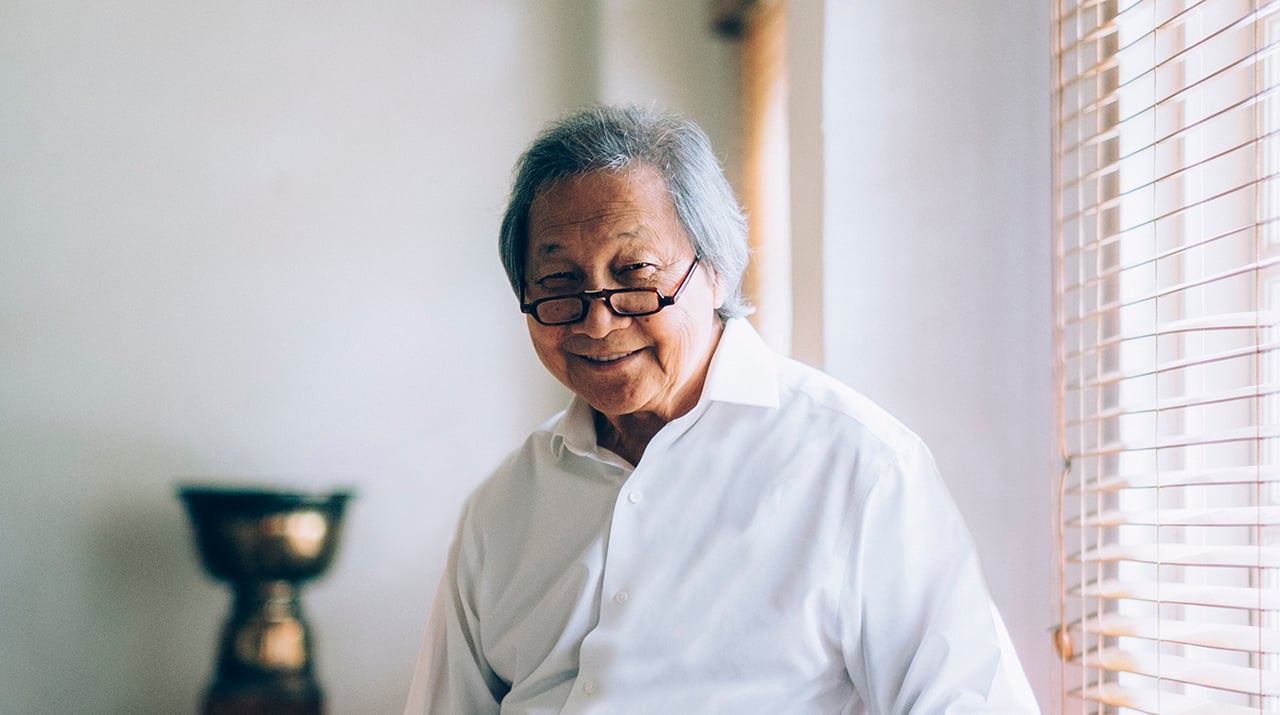
When people think of the world's most luxurious hotel brands, names like Ritz-Carlton, Four Seasons, or Mandarin Oriental often come to mind. Yet behind one of the most exclusive and admired hospitality brands in the world stands an Indonesian visionary whose name many people have never heard: Adrian Zecha.
Born in Sukabumi, West Java, in 1933, Adrian Zecha didn't just build a hotel brand, he changed the way the world defines luxury. Through Aman Resorts, he proved that true luxury isn't about gold chandeliers, grand ballrooms, or towering hotel buildings. Instead, it's about peace, privacy, authenticity, and creating unforgettable experiences.
A Hotelier by Chance
Interestingly, Adrian Zecha never planned to become a hotel entrepreneur.
His career began in journalism. After studying in the United States and earning a Master's degree in Journalism from Columbia University, Zecha worked for Time magazine and later founded several magazines across Asia. His work allowed him to travel extensively, exposing him to different cultures, architecture, and traditions. These experiences would later shape the philosophy behind Aman Resorts.
Before Aman, Zecha also co-founded Regent International Hotels, helping establish one of Asia's premier luxury hotel brands. Later, he founded GHM (General Hotel Management), which became known for creating elegant, design-focused hotels around the world. Each venture strengthened his reputation as someone who understood luxury differently from everyone else.
The Resort That Was Never Meant to Exist
The story of Aman Resorts began almost by accident.
In the mid-1980s, Zecha wanted to build a private holiday home on the beautiful island of Phuket, Thailand. While exploring Pansea Beach, he discovered an idyllic coconut plantation overlooking the sea. Instead of building a single home, he envisioned a small luxury retreat where close friends could also stay.
The idea sounded unusual at the time.
The planned resort would have only 40 rooms; far smaller than the hundreds of rooms typical of luxury hotels. Banks believed the project would never be financially successful and refused to provide funding.
Rather than abandoning his vision, Zecha and a group of friends invested their own money and pushed ahead.
In 1988, Amanpuri opened its doors.
What many considered a risky business decision became one of the most influential hotel openings in modern hospitality history.
Changing the Meaning of Luxury
During the 1980s, luxury hotels were defined by size and extravagance. Grand lobbies, crystal chandeliers, marble floors, and hundreds of guestrooms were considered symbols of prestige.
Adrian Zecha challenged that thinking.
He believed the greatest luxury wasn't excess, it was space, silence, and serenity.
This philosophy became the foundation of Aman.
Small Is Beautiful
Unlike traditional luxury hotels, most Aman properties have fewer than 55 rooms.
Fewer guests mean greater privacy, more personalized service, and a peaceful atmosphere that feels more like staying in a private residence than a commercial hotel.
Today, many luxury brands have adopted this boutique approach, but Aman was one of the pioneers.
Every Destination Should Tell Its Own Story
Walk into an Aman property in Bali, and you'll immediately feel connected to Balinese culture. Visit an Aman resort in Bhutan or Japan, and the architecture, materials, and atmosphere reflect the local heritage rather than a standardized global hotel design.
Instead of creating identical hotels around the world, Zecha believed every property should celebrate its destination.
Long before "authentic travel experiences" became a hospitality trend, Aman was already making local culture the centerpiece of every guest experience.
Architecture That Blends with Nature
Another defining characteristic of Aman is its understated architecture.
Rather than dominating the landscape, Aman resorts are designed to become part of it. Zecha collaborated with renowned architects to create properties that complement mountains, forests, beaches, and historic sites instead of competing with them.
The result is architecture that feels timeless and deeply connected to its surroundings.
The Art of Invisible Service
Perhaps Adrian Zecha's greatest innovation wasn't the buildings, it was the service.
Luxury service before Aman often emphasized formality and performance.
Zecha envisioned something different.
He wanted service that felt effortless.
Staff members quietly learn guests' preferences, anticipate their needs, and provide assistance before it's even requested, all without being intrusive.
This style of hospitality creates a feeling that everything simply happens naturally, making guests feel genuinely cared for rather than constantly attended to.
Today, this "invisible luxury" has become the gold standard for many of the world's finest hotels.
Building a Brand with Patience
While many hotel companies measure success by rapid expansion, Zecha took the opposite approach.
He refused to grow too quickly.
Every Aman property had to meet strict standards for location, architecture, design, and guest experience before joining the collection.
This careful approach created something incredibly valuable: exclusivity.
Guests didn't simply book Aman because they needed a place to sleep—they sought out the Aman experience itself.
Many became devoted repeat visitors, affectionately known in the hospitality world as "Aman Junkies," travelers who choose Aman properties around the world for nearly every luxury vacation.
Leadership Behind the Scenes
Unlike many famous entrepreneurs, Adrian Zecha rarely sought the spotlight.
He preferred letting his hotels speak for themselves.
Colleagues often describe him as exceptionally detail-oriented, endlessly curious, and deeply respectful of local cultures. He was known for spending years selecting the perfect location for a new resort and paying attention to details most guests would never consciously notice—from the placement of a pathway to the way natural light entered a room.
For Zecha, luxury wasn't created through extravagance. It was created through thoughtful details that made people feel calm, comfortable, and completely at ease.
A Legacy That Changed Hospitality Forever
Although Aman has changed ownership and expanded significantly since Zecha stepped away from daily leadership in 2014, his philosophy continues to influence the brand today. Under current ownership, Aman has grown into a global luxury lifestyle company while preserving many of the principles established by its founder.
More importantly, Adrian Zecha's ideas have influenced the entire hospitality industry.
Many of today's most successful luxury hotel brands now embrace concepts that Aman helped popularize:
- Boutique, low-density resorts
- Destination-inspired design
- Wellness-focused experiences
- Minimalist luxury
- Deep respect for local culture
- Personalized, intuitive service
These ideas have become hallmarks of modern luxury hospitality.
Five Lessons Every Hospitality Professional Can Learn
Adrian Zecha's story offers valuable lessons that extend far beyond hotels.
Luxury is about emotion, not extravagance. Guests remember how a place made them feel far more than how expensive it looked.
Authenticity creates lasting memories. Celebrating local culture makes every destination unique.
Quality is more powerful than quantity. Growing carefully can build stronger brands than expanding quickly.
Details matter. Small touches often have the greatest impact on the guest experience.
A strong philosophy builds timeless brands. Aman became iconic not because it had the biggest hotels, but because it had a clear vision that never wavered.
Bringing Adrian Zecha's Philosophy Into Your Own Career
You don't have to work at Aman to learn from Adrian Zecha's philosophy.
The qualities that made Aman one of the world's most respected luxury brands; attention to detail, genuine hospitality, personalized service, cultural appreciation, and the pursuit of excellence are valued by leading hotels and restaurants across the globe.
At HRC International, we connect aspiring hospitality professionals with premium training opportunities at luxury hotels, boutique properties, and renowned restaurants across the United States and Europe. Through these international experiences, you'll gain industry knowledge, build confidence, work alongside experienced professionals, and develop the global mindset that today's hospitality employers value.
Every successful hospitality leader started somewhere. Adrian Zecha transformed the industry because he believed hospitality should create meaningful experiences rather than simply provide accommodation. Your own journey may begin in a different hotel or restaurant, but the lessons you learn, the standards you embrace, and the passion you bring to your work can shape a career that is just as inspiring.
Because great hospitality isn't defined by the name above the entrance, it's defined by the people who create unforgettable experiences every single day.
Ready to begin your own international hospitality journey?
Explore HRC International's latest hospitality opportunities and discover where your career could take you next.