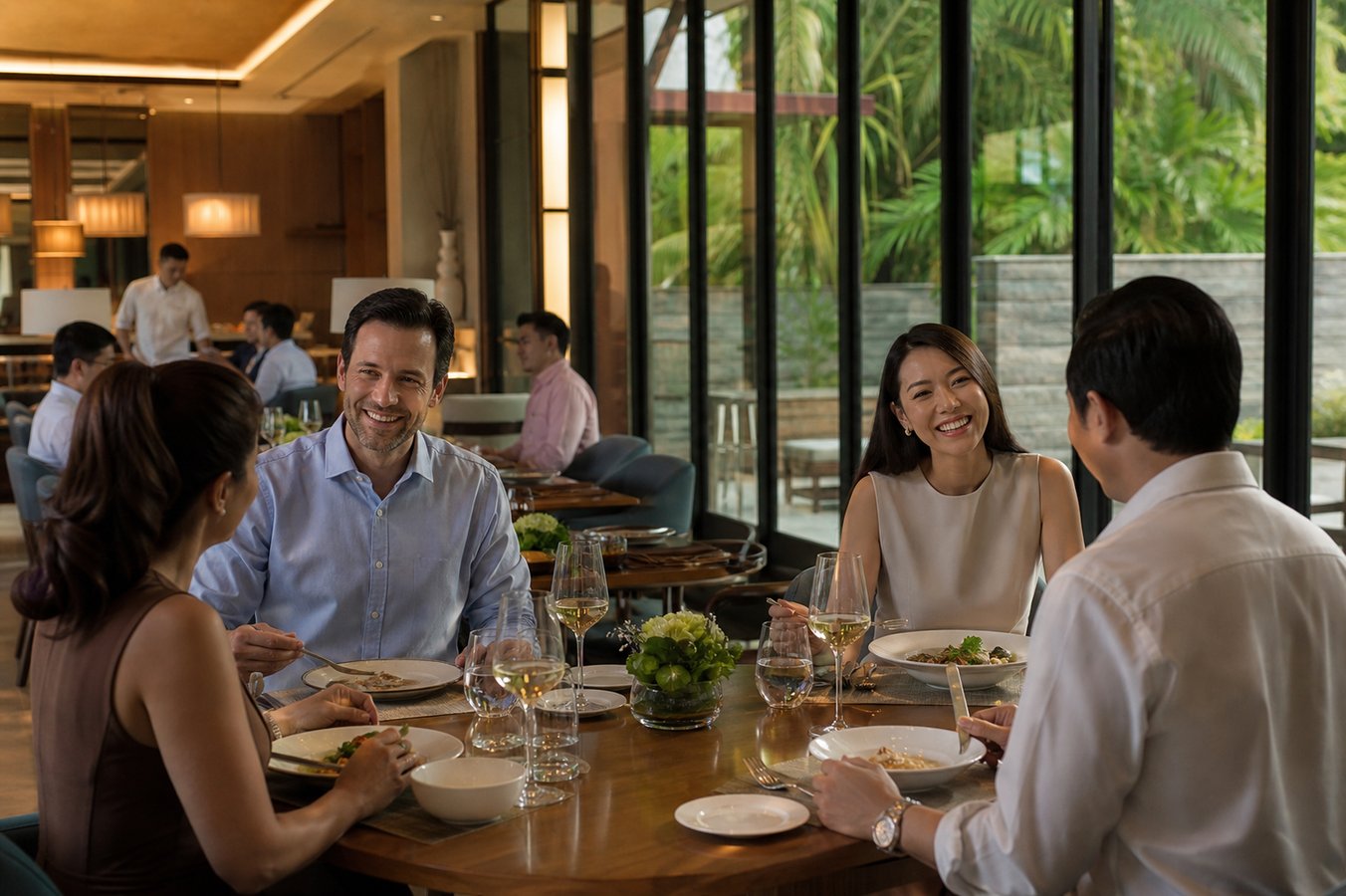
For years, travelers followed a familiar routine: book a flight, reserve a hotel, and then decide where to eat after arriving.
Today, that order is changing.
According to OpenTable's 2026 Top 100 Hotel Restaurants in America Report, more travelers are planning their trips around memorable dining experiences than ever before. Hotel restaurants are no longer just a convenient place for guests to grab breakfast, they have become destinations in their own right, attracting food lovers, local diners, and travelers seeking unforgettable culinary experiences.
For aspiring hospitality professionals, this shift represents more than an exciting trend. It signals where the industry is heading and the type of talent leading hospitality employers are looking for.
Travelers Are Booking the Restaurant Before the Hotel
One of the biggest insights from OpenTable's latest report is that dining has become a major driver of travel decisions.
The report found that 61% of Americans have chosen a travel destination because of its food or restaurant scene, while 60% have booked a hotel specifically because of its restaurant. Instead of restaurants being an afterthought, they are now influencing where people choose to stay and even which cities they visit.
This evolution reflects a growing demand for immersive travel experiences. Guests are no longer satisfied with simply having a comfortable room but they want exceptional cuisine, unique concepts, and memorable service that become highlights of their trip.
For hotels, investing in outstanding restaurants is no longer a luxury. It has become a competitive advantage.
Hotel Restaurants Are Competing With Standalone Dining Destinations
Another fascinating finding from the report is that 92% of diners have visited a hotel restaurant without staying at the hotel.
This means hotel restaurants are no longer serving only overnight guests. They are attracting local communities, business professionals, tourists staying elsewhere, and food enthusiasts searching for their next great meal.
Many luxury hotels now operate restaurants that compete directly with some of the best standalone dining establishments in their cities. Signature chefs, locally inspired menus, rooftop venues, and award-winning cocktail programs have transformed hotel restaurants into attractions that stand on their own.
For hospitality professionals, this creates exciting career opportunities within hotels that offer the same dynamic environment as renowned independent restaurants while also providing the benefits and career development often associated with global hospitality brands.
The Demand for Hospitality Talent Continues to Grow
OpenTable also reports that traveler dining at hotel restaurants increased by 13% year-over-year, while overall hotel restaurant dining increased by 7%.
More guests mean greater demand for talented professionals across every area of Food & Beverage operations, from servers and bartenders to culinary professionals, supervisors, restaurant managers, and future hospitality leaders.
Today's employers are looking for individuals who can deliver more than technical service. They value professionals who understand guest expectations, adapt quickly, communicate confidently with international visitors, and create memorable experiences that encourage guests to return.
These are exactly the kinds of real-world skills that international hospitality training helps develop.
Digital Experiences Are Becoming Just as Important as In-Person Service
The report also highlights how technology is reshaping the guest journey.
Among Generation Z travelers:
- 88% plan restaurant reservations before they arrive.
- Nearly half consider restaurant bookings at the same time they reserve their hotel.
- More than half of travelers say they expect to use AI to discover restaurants while traveling.
These findings show that hospitality is no longer limited to delivering excellent service inside the restaurant. Guests begin forming opinions long before they walk through the door through online reviews, reservation platforms, digital recommendations, and increasingly, AI-powered search tools.
As the hospitality industry evolves, employers are looking for professionals who understand both exceptional guest service and the importance of delivering consistent quality in an increasingly digital world.
What This Means for Future Hospitality Professionals
The hospitality industry has always evolved alongside traveler expectations, and today's trends make one thing clear: memorable dining experiences have become an essential part of modern travel.
For students, graduates, and young professionals, this creates an incredible opportunity to gain experience in hotels where Food & Beverage operations are at the heart of the guest experience.
Working in internationally recognized hotels allows participants to build technical expertise, strengthen communication skills, learn global service standards, and work alongside experienced hospitality professionals serving guests from around the world.
These experiences don't just prepare candidates for their next role, they help build long-term careers in one of the world's fastest-evolving industries.
Staying Ahead of Hospitality Trends with HRC International
At HRC International, we believe that understanding industry trends is just as important as creating career opportunities.
We continuously monitor global hospitality research, market developments, and employer insights to ensure our candidates are prepared for what the industry needs today and where it's heading tomorrow.
Through our USA J-1 Internship and Trainee Programs, participants have the opportunity to train with respected hotels, resorts, restaurants, and hospitality employers across the United States. These placements provide experience in environments that reflect the latest global hospitality trends, helping participants develop practical skills while building international careers.
As reports like OpenTable's 2026 Hotel Restaurants Report continue to show, the future of hospitality belongs to professionals who can deliver exceptional guest experiences, embrace innovation, and adapt to changing traveler expectations.
And that's exactly the future we're helping shape.