The hospitality industry continues to evolve as travelers seek more meaningful, personalized, and memorable experiences. The 2026 MICHELIN Key selection highlights this evolution, recognizing hotels that deliver exceptional stays through distinctive design, thoughtful service, and a strong sense of place.
Announced on September 18, 2026, the latest selection introduces 470 new hotels across 79 destinations, bringing the global total to 2,832 MICHELIN Key hotels. The announcement also marks the first MICHELIN Key distinctions for 10 destinations, further expanding the global recognition of outstanding hospitality.
But beyond the numbers, what does this year's selection tell us about the future of the hotel industry?
What Is the MICHELIN Key?
The MICHELIN Key is a distinction awarded by the MICHELIN Guide to hotels that deliver outstanding hospitality experiences. Similar to how MICHELIN Stars recognize excellence in restaurants, MICHELIN Keys highlight hotels that stand out for the quality of their overall guest experience.
Hotels are awarded one, two, or three MICHELIN Keys, depending on the experience they provide.
- One MICHELIN Key: A very special stay.
- Two MICHELIN Keys: An exceptional stay.
- Three MICHELIN Keys: An extraordinary stay.
The selection is based on anonymous and independent visits by MICHELIN Guide inspectors. It includes a diverse range of properties, from historic landmarks and boutique hotels to remote retreats and innovative luxury resorts.
Key Highlights from the 2026 MICHELIN Key Selection
The 2026 selection reflects the continued growth and diversity of the global hospitality industry.
1. More Hotels Are Receiving Global Recognition
A total of 470 new hotels joined the MICHELIN Key selection across 79 destinations. The global collection now includes 2,832 hotels: 2,020 with One Key, 657 with Two Keys, and 155 with Three Keys.
The selection also recognizes 18 hotels receiving Three Keys for the first time, while more than 80 hotels have moved up within the distinction.
These developments demonstrate the range of hotel experiences being recognized around the world, including both established luxury destinations and emerging hospitality markets.
2. Emerging Destinations Are Gaining Attention
The 2026 selection introduced MICHELIN Keys in Armenia, Benin, Botswana, Kazakhstan, Liechtenstein, Mongolia, Myanmar, Rwanda, Slovakia, and Zimbabwe.
This expansion highlights the diversity of destinations offering distinctive hotel experiences. For travelers, it creates more opportunities to explore places beyond traditional tourism hotspots. For hospitality professionals, it offers insight into the growing importance of local identity, unique concepts, and memorable guest experiences.
3. Exceptional Hospitality Goes Beyond Luxury
The MICHELIN Key selection is not limited to one hotel style or price point. Properties are recognized across a variety of sizes, settings, and concepts.
This reflects an important principle in hospitality: an outstanding stay is not defined by luxury amenities alone. The atmosphere, quality of service, attention to detail, design, and connection to the destination all contribute to how guests experience a hotel.
Four Hospitality Experiences Recognized in 2026
The 2026 selection also highlights four hotels through special awards that celebrate different dimensions of hospitality excellence.
Architecture and Design: Desert Rock Resort, Saudi Arabia
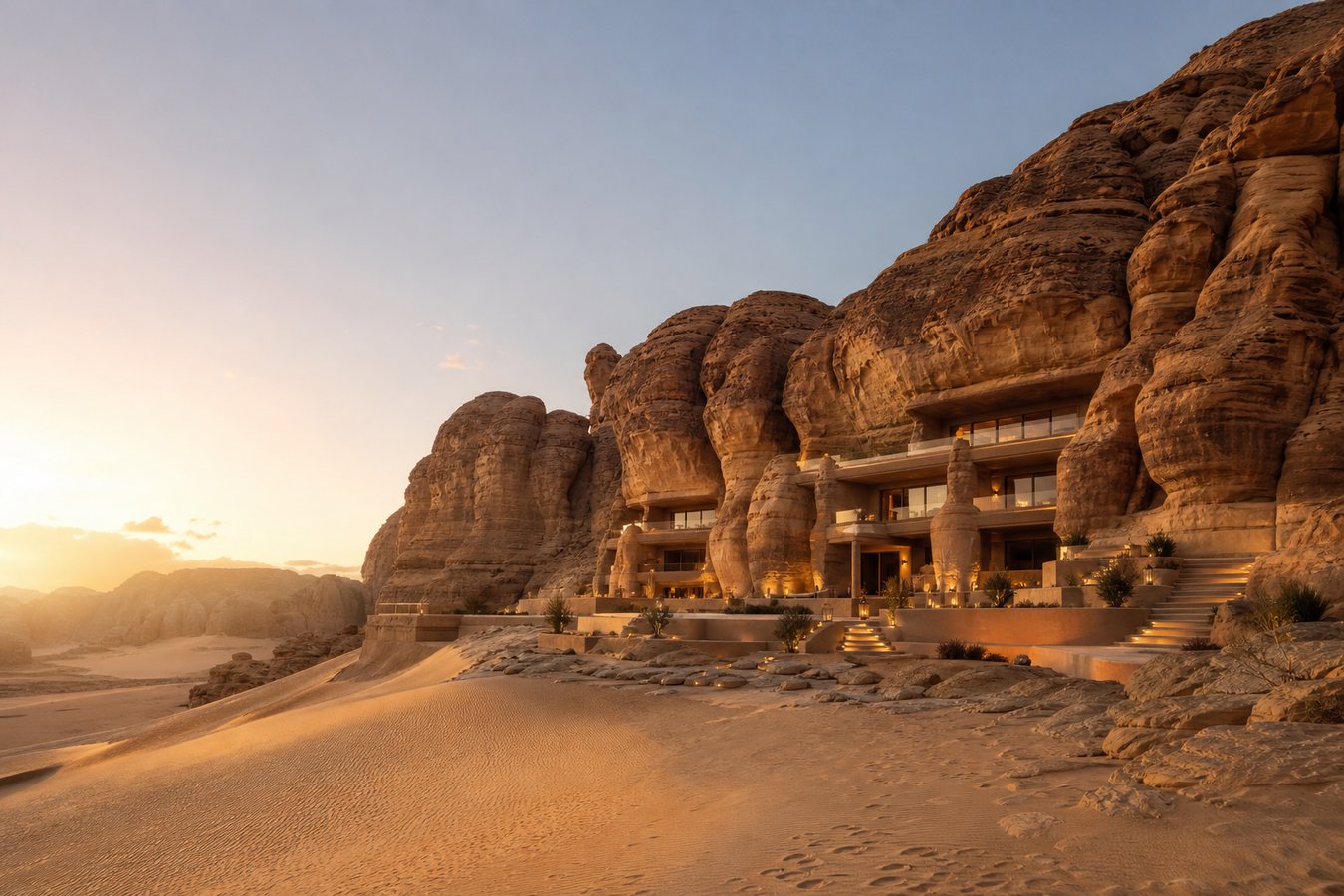
The MICHELIN Guide Architecture & Design Award recognizes Desert Rock Resort in Umluj, Saudi Arabia, for its striking architecture integrated into the landscape of the Hijaz Mountains.
Wellness: Schloss Elmau, Germany
The MICHELIN Guide Wellness Award recognizes Schloss Elmau Luxury Spa Retreat & Cultural Hideaway for its extensive approach to wellness.
Opening of the Year: Airelles Palladio Venice, Italy
The MICHELIN Guide Opening of the Year Award celebrates Airelles Palladio Venice, a new property overlooking the Giudecca Canal and the first Airelles hotel outside France.
Local Gateway: Londolozi Game Reserve, South Africa
The MICHELIN Guide Local Gateway Award highlights Londolozi Game Reserve for its longstanding connection to the surrounding landscape and culture.
Together, these awards demonstrate how hotels can distinguish themselves through design, well-being, new concepts, and authentic connections with their destinations.
Five Hospitality Trends to Watch in 2026
The latest MICHELIN Key selection also points to broader changes in how travelers choose and experience hotels.
1. More Immersive and Meaningful Travel
Travelers are increasingly interested in experiences that allow them to spend more time exploring a destination, connect with local communities, and discover places at a more relaxed pace.
For hotels, this creates opportunities to offer curated local experiences, destination-inspired activities, and recommendations that help guests engage with their surroundings.
2. Personalized Guest Experiences
Guests increasingly value experiences that reflect their individual preferences and expectations.
Personalized service can include remembering guest preferences, anticipating needs, offering relevant recommendations, and creating thoughtful interactions throughout the stay.
Technology can support these efforts, but genuine human connection remains an important part of memorable hospitality.
3. Wellness Beyond Traditional Spa Services
Wellness is becoming a broader part of the hospitality experience. Beyond spa treatments, hotels may incorporate fitness, relaxation, nature-based activities, and other opportunities for guests to maintain their well-being while traveling.
This presents opportunities for hospitality businesses to consider wellness as part of the overall guest journey rather than a standalone facility.
4. Design That Reflects a Sense of Place
Distinctive architecture and interiors can help create an emotional connection between a hotel and its destination.
Whether through local materials, cultural influences, thoughtful landscaping, or contemporary design, a hotel's physical environment can contribute to a more memorable and recognizable guest experience.
5. Authenticity as a Competitive Advantage
Travelers are exploring different forms of hospitality, from boutique properties and remote retreats to experiential luxury resorts.
Hotels that communicate a clear identity and create meaningful connections with their surroundings can offer something more distinctive than a standard accommodation experience.
What Does This Mean for Hospitality Professionals?
The 2026 MICHELIN Key selection offers valuable lessons for anyone working in hotels, restaurants, tourism, and hospitality management.
Service excellence remains essential. Consistent service, attention to detail, and the ability to anticipate guest needs can shape the overall experience.
Creativity helps hotels stand out. Distinctive concepts, thoughtful design, and experiences inspired by local culture can help properties differentiate themselves.
Adaptability is increasingly important. As guest expectations evolve, hospitality professionals need to remain open to new ideas, technologies, and service approaches.
People make the experience possible. Behind every memorable stay is a team working across departments to create a seamless guest journey. Training, communication, teamwork, and continuous professional development all contribute to service quality.
For aspiring hospitality professionals, these developments also highlight the value of building practical skills, learning from experienced teams, and understanding how different departments work together to deliver exceptional guest experiences.
Your Hospitality Journey Starts with Experience
Behind every exceptional hotel experience is a team of hospitality professionals who bring service, creativity, and attention to detail to life.
As the hospitality industry continues to evolve, gaining international exposure can be a valuable way to learn about different service cultures, develop professional skills, and discover new perspectives on hospitality.
At HRC International, we help aspiring hospitality professionals take their next step through international cultural exchange programs in the United States and Europe. Participants have the opportunity to gain practical experience in their field, learn from hospitality professionals, and immerse themselves in a new culture.
Whether your passion lies in culinary arts, food and beverage, or hotel operations, your international journey could be the beginning of something extraordinary.
Ready to explore your opportunities in international hospitality?
Click here to discover how HRC International can help you learn, grow, and gain experience abroad.
Source: MICHELIN Guide Unveils Its 2026 MICHELIN Key Selection, Michelin, September 18, 2026.